Black Kite
Milvus migrans
Genus ·
Milvus Kites
Family ·
Hawks, Eagles, and Kites
Observation tips
Difficulty: EASY
Best time
🕒 Any
Activity
☀️ Diurnal
Best months
1
2
3
4
5
6
7
8
9
10
11
12
Observation habitat
Migration watchpointsOpen waterUrban
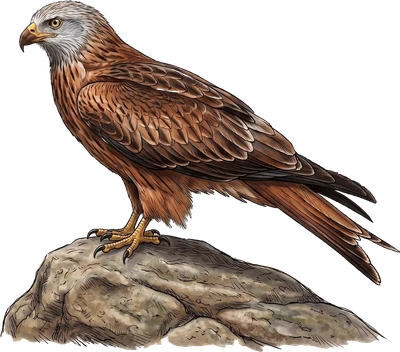
Look for the shallow fork in the tail. Compared to the Red Kite, the Black Kite is darker, slightly smaller, and has less white on the underwing.
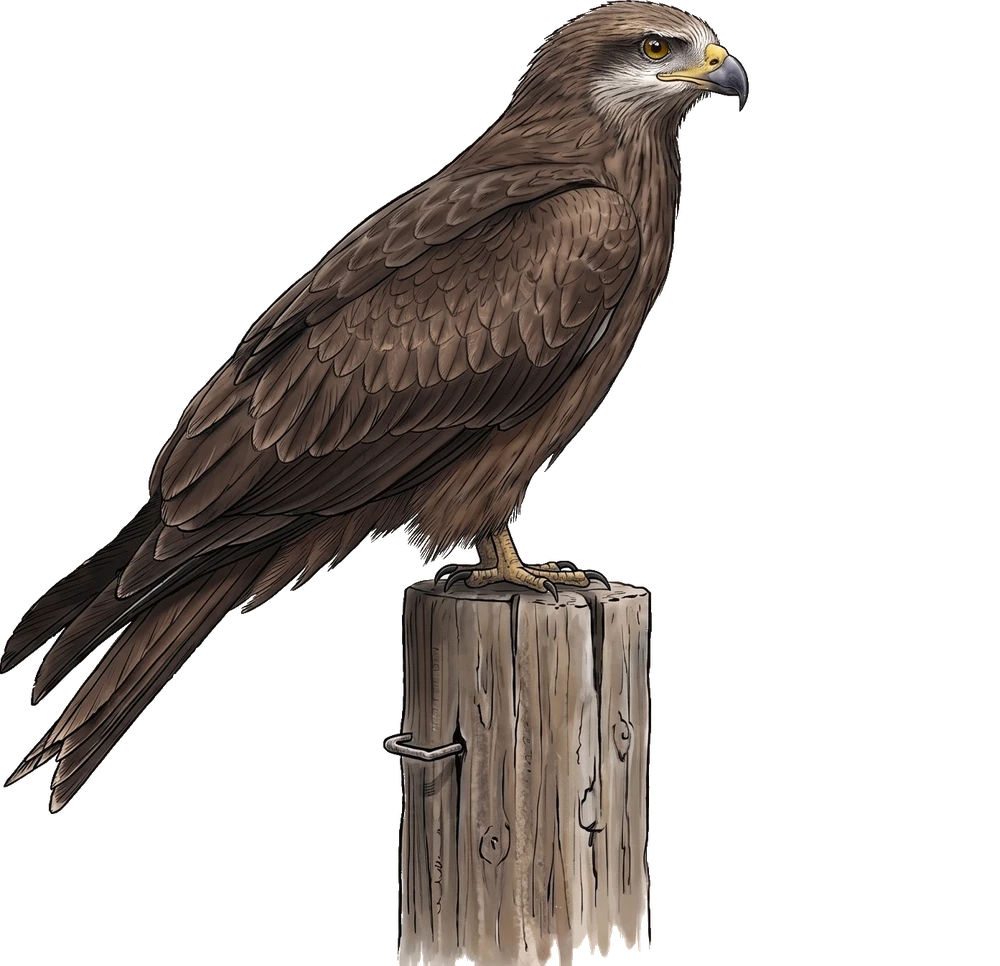
♂ Male · ♀ Female
Stats
Wingspan135–155 cm
Weight600–1000 g
Length48–60 cm
Lifespan wild12–24 yrs
Size
XS
S
M
L
XL
Nesting
Nest typePlatform
Clutch size2–3 eggs
Incubation30–34 days
Breeding months
1
2
3
4
5
6
7
8
9
10
11
12
Regional Status (Europe)
LC
Least Concern (Europe)
IUCN Red List
MigrationMigratory
Social BehaviourFlocking
Diet: Carnivore
🐸Amphibians
🦴Carrion
🐟Fish
🦗Insects
🐭Mammals
Habitat
🚜 Farmland🌳 Forest deciduous🛶 Lake wetlands🏞️ River🏙️ Urban
✦ Fun Fact
Black Kites often decorate their nests with colorful human-made objects such as plastic and cloth. Researchers believe these items may help signal that the territory is occupied.
See Black Kite in the app.
Full encyclopedia, offline diary, AI identification - always with you.
Download on Google Play
Full encyclopedia, offline diary, AI identification - always with you.