Common Reed Bunting
Emberiza schoeniclus
Genus ·
Old World Buntings
Family ·
Old World Buntings
Observation tips
Difficulty: MODERATE
Best time
🕒 Any
Activity
☀️ Diurnal
Best months
1
2
3
4
5
6
7
8
9
10
11
12
Observation habitat
Lake wetlandsMarshRiver
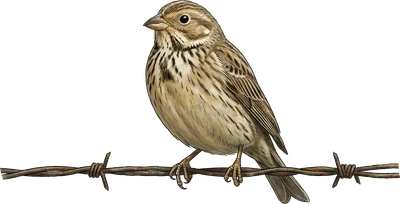
Look for the male's black 'hood' in reedbeds. In winter, identify them by the 'mustache' pattern and characteristic tail-flicking.

♂ Male · ♀ Female
Stats
Wingspan21–28 cm
Weight15–23 g
Length13–16 cm
Lifespan wild2–9 yrs
Size
XS
S
M
L
XL
Nesting
Nest typeCup
Clutch size4–6 eggs
Incubation12–14 days
Breeding months
1
2
3
4
5
6
7
8
9
10
11
12
Regional Status (Europe)
LC
Least Concern (Europe)
IUCN Red List
MigrationPartial migratory
Social BehaviourMonogamous pairs
Diet: Omnivore
🦗Insects
🐛Larvae
🌻Seeds
🕷️Spiders
Habitat
🛶 Lake wetlands🌾 Marsh🏞️ River
✦ Fun Fact
Reed Buntings perform a 'distraction display'. They pretend to have a broken wing to lead predators away from their nest in the reeds.

See Common Reed Bunting in the app.
Full encyclopedia, offline diary, AI identification - always with you.
Download on Google Play
Full encyclopedia, offline diary, AI identification - always with you.