Western House Martin
Delichon urbicum
Genus ·
House Martins
Family ·
Swallows and Martins
Observation tips
Difficulty: EASY
Best time
🕒 Any
Activity
☀️ Diurnal
Best months
1
2
3
4
5
6
7
8
9
10
11
12
Observation habitat
BridgesUrban
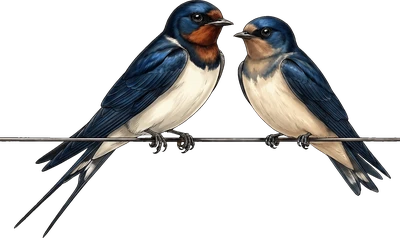
Look for the distinctive white rump. They usually fly higher in the sky than Barn Swallows and are common in urban areas.

Stats
Wingspan26–30 cm
Weight16–23 g
Length12–14 cm
Lifespan wild2–5 yrs
Size
XS
S
M
L
XL
Nesting
Nest typeCup
Clutch size3–5 eggs
Incubation14–16 days
Breeding months
1
2
3
4
5
6
7
8
9
10
11
12
Regional Status (Europe)
LC
Least Concern (Europe)
IUCN Red List
MigrationMigratory
Social BehaviourColonial
Diet: Insectivore
🐜Ants
🦗Insects
Habitat
🚜 Farmland⛰️ Mountains🏙️ Urban
✦ Fun Fact
A single House Martin nest can contain up to 1,000 individual mud pellets. These are painstakingly collected from the edges of puddles.
See Western House Martin in the app.
Full encyclopedia, offline diary, AI identification - always with you.
Download on Google Play
Full encyclopedia, offline diary, AI identification - always with you.