Common Greenshank
Tringa nebularia
Genus ·
Shanks, Tattlers, and Allies
Family ·
Sandpipers and Allies
Observation tips
Difficulty: MODERATE
Best time
🕒 Any
Activity
☀️ Diurnal
Best months
1
2
3
4
5
6
7
8
9
10
11
12
Observation habitat
Lake wetlandsMuddy marginsScrub wastelandWater edges
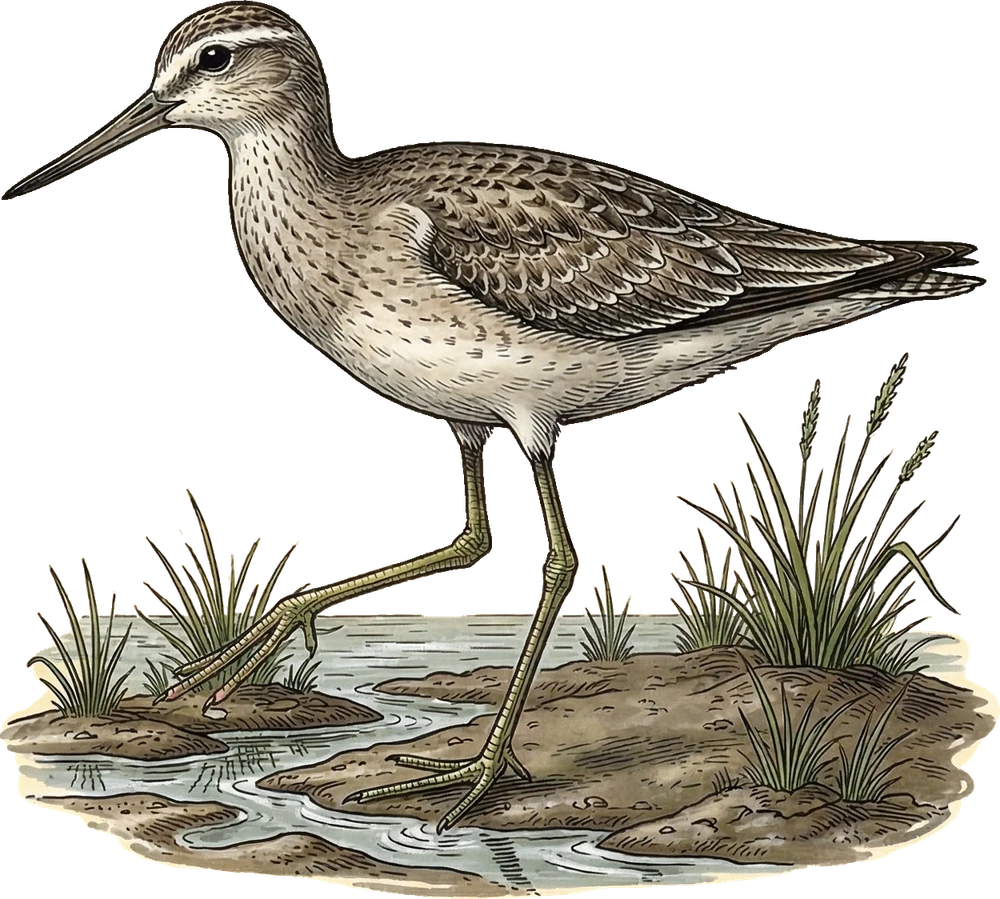
Listen for the loud triple whistle. Look for the pale appearance and the slightly upturned bill. It is usually more solitary than Redshanks.
Stats
Wingspan68–72 cm
Weight140–270 g
Length30–35 cm
Lifespan wild5–18 yrs
Size
XS
S
M
L
XL
Nesting
Nest typeScrape
Clutch size4 eggs
Incubation24–27 days
Breeding months
1
2
3
4
5
6
7
8
9
10
11
12
Regional Status (Europe)
LC
Least Concern (Europe)
IUCN Red List
MigrationMigratory
Social BehaviourSolitary
Diet: Carnivore
🦀Crustaceans
🐟Fish
🐸Frogs
🦗Insects
🐚Mollusks
Habitat
🌲 Forest coniferous🌊 Marine🌾 Marsh🏞️ River
✦ Fun Fact
The bill is slightly 'scimitar-shaped'. This upward curve helps the bird snatch fast-moving prey from the water surface.

See Common Greenshank in the app.
Full encyclopedia, offline diary, AI identification - always with you.
Download on Google Play
Full encyclopedia, offline diary, AI identification - always with you.