Great Crested Grebe
Podiceps cristatus
Genus ·
Typical Grebes
Family ·
Grebes
Observation tips
Difficulty: EASY
Best time
🕒 Any
Activity
☀️ Diurnal
Best months
1
2
3
4
5
6
7
8
9
10
11
12
Observation habitat
MarineOpen waterReed beds
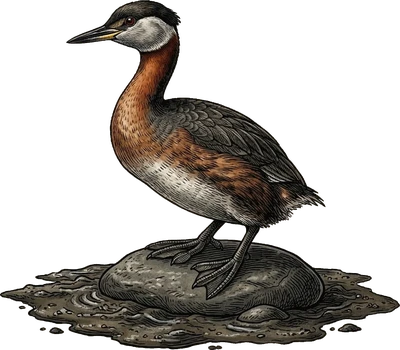
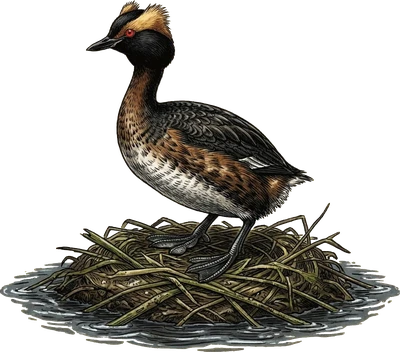
Look for the long white neck and dark head 'horns'. Watch for parents carrying chicks on their backs in early summer.

Stats
Wingspan59–73 cm
Weight600–1500 g
Length46–51 cm
Lifespan wild10–15 yrs
Size
XS
S
M
L
XL
Nesting
Nest typeFloating platform
Clutch size3–5 eggs
Incubation25–29 days
Breeding months
1
2
3
4
5
6
7
8
9
10
11
12
Regional Status (Europe)
LC
Least Concern (Europe)
IUCN Red List
MigrationPartial migratory
Social BehaviourMonogamous pairs
Diet: Piscivore
🦀Crustaceans
🐟Fish
🐸Frogs
🦗Insects
🪶Own feathers
Habitat
🛶 Lake wetlands🌊 Marine
✦ Fun Fact
Grebes swallow their own feathers and feed them to their chicks. Scientists think the feathers may help protect the digestive system from sharp fish bones.
See Great Crested Grebe in the app.
Full encyclopedia, offline diary, AI identification - always with you.
Download on Google Play
Full encyclopedia, offline diary, AI identification - always with you.