European Shag
Gulosus aristotelis
Genus ·
Shags
Family ·
Cormorants and Shags
Observation tips
Difficulty: MODERATE
Best time
🕒 Any
Activity
☀️ Diurnal
Best months
1
2
3
4
5
6
7
8
9
10
11
12
Observation habitat
MarineMountains
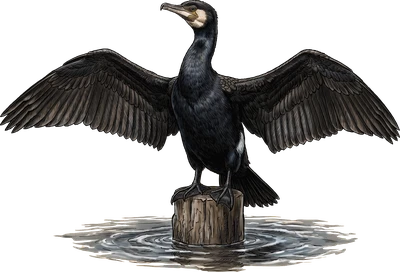
Look for them on coastal rocks. They are smaller than Great Cormorants and have a steeper forehead. In spring, look for the crest sticking up on the head.

Stats
Wingspan90–110 cm
Weight1750–2200 g
Length68–79 cm
Lifespan wild10–30 yrs
Size
XS
S
M
L
XL
Nesting
Nest typePlatform
Clutch size2–5 eggs
Incubation30–31 days
Breeding months
1
2
3
4
5
6
7
8
9
10
11
12
Regional Status (Europe)
LC
Least Concern (Europe)
IUCN Red List
MigrationResident
Social BehaviourColonial
Diet: Piscivore
🦀Crustaceans
🐟Fish
Habitat
🌊 Marine⛰️ Mountains
✦ Fun Fact
The scientific name *aristotelis* honors Aristotle. The Greek philosopher was one of the first to describe the bird's behavior over 2,000 years ago.
See European Shag in the app.
Full encyclopedia, offline diary, AI identification - always with you.
Download on Google Play
Full encyclopedia, offline diary, AI identification - always with you.