Common Eider
Somateria mollissima
Genus ·
Typical Eiders
Family ·
Ducks, Geese, and Swans
Observation tips
Difficulty: EASY
Best time
🕒 Any
Activity
☀️ Diurnal
Best months
1
2
3
4
5
6
7
8
9
10
11
12
Observation habitat
Coastal islandsMarineOpen water
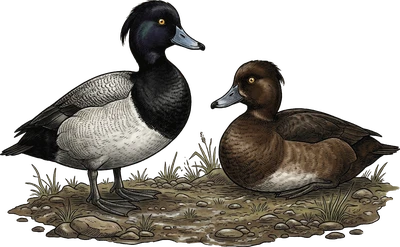
Look for them in coastal waters. The male's white back is visible from a long distance. Listen for the eerie moaning calls.

♂ Male · ♀ Female
Stats
Wingspan80–108 cm
Weight1200–2800 g
Length50–71 cm
Lifespan wild10–25 yrs
Size
XS
S
M
L
XL
Nesting
Nest typeScrape
Clutch size4–6 eggs
Incubation24–26 days
Breeding months
1
2
3
4
5
6
7
8
9
10
11
12
Regional Status (Europe)
LC
Least Concern (Europe)
IUCN Red List
MigrationPartial migratory
Social BehaviourFlocking
Diet: Carnivore
🦀Crustaceans
🐟Fish
🐚Mollusks
🦪Mussels
Habitat
🌊 Marine🏞️ River❄️ Tundra
✦ Fun Fact
Eider down is one of the world's best natural insulators. It is still harvested sustainably from nests for high-end bedding.
See Common Eider in the app.
Full encyclopedia, offline diary, AI identification - always with you.
Download on Google Play
Full encyclopedia, offline diary, AI identification - always with you.