Greater Flamingo
Phoenicopterus roseus
Genus ·
Large Flamingos
Family ·
Flamingos
Observation tips
Difficulty: MODERATE
Best time
🕒 Any
Activity
☀️ Diurnal
Best months
1
2
3
4
5
6
7
8
9
10
11
12
Observation habitat
Coastal shallowsMuddy margins
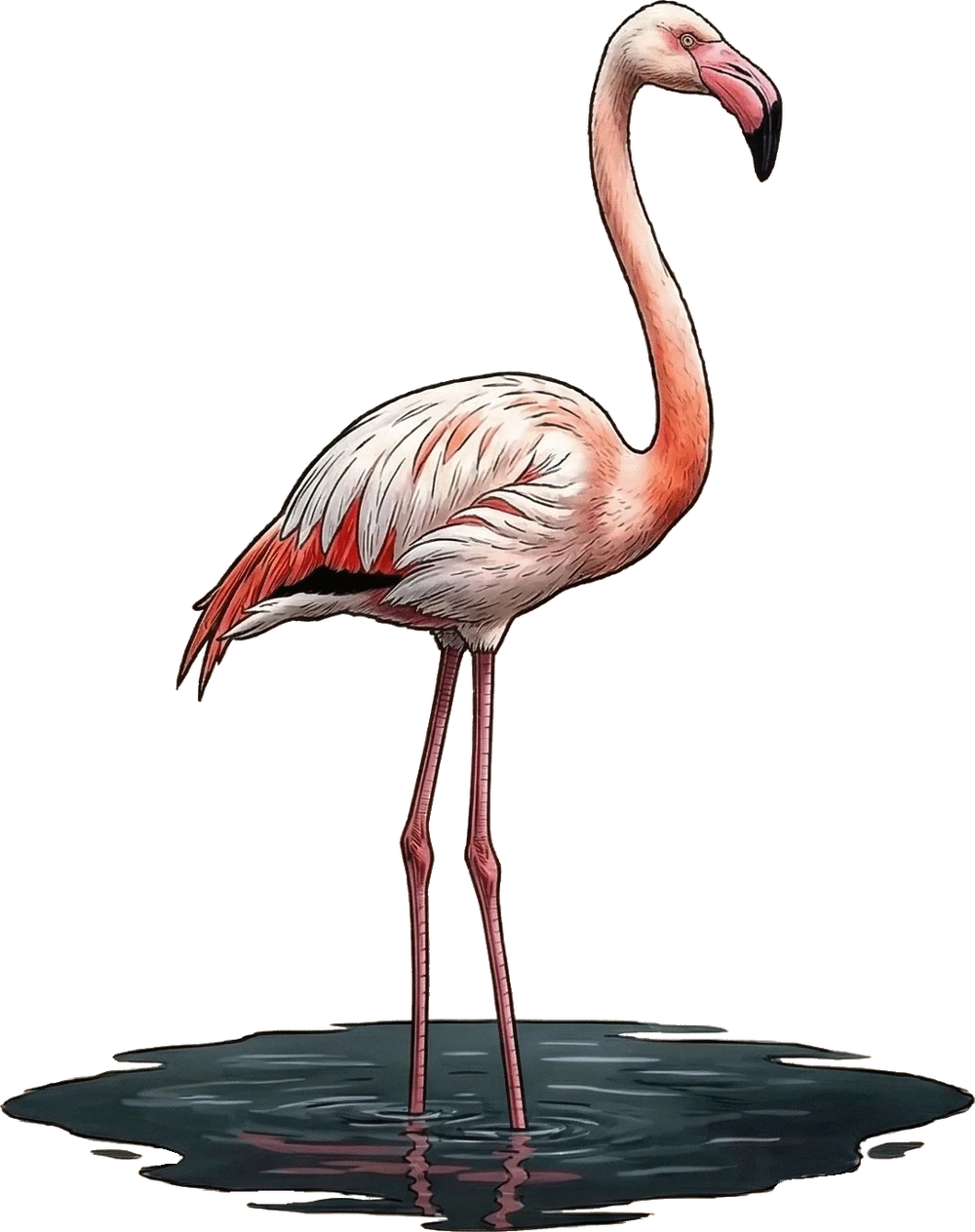
Look for them in salt pans and lagoons. In flight, they extend their long necks and legs, showing bright pink and black wings.
Stats
Wingspan140–170 cm
Weight2000–4500 g
Length120–150 cm
Lifespan wild20–35 yrs
Size
XS
S
M
L
XL
Nesting
Nest typeMound
Clutch size1 eggs
Incubation27–31 days
Breeding months
1
2
3
4
5
6
7
8
9
10
11
12
Regional Status (Europe)
LC
Least Concern (Europe)
IUCN Red List
MigrationPartial migratory
Social BehaviourColonial
Diet: Filter feeder
🌿Algae
🦀Crustaceans
🦗Insects
🐚Mollusks
Habitat
🛶 Lake wetlands🌊 Marine🏞️ River🏜️ Scrub wasteland
✦ Fun Fact
The pink color comes from pigments in the organisms they eat. Without this specific diet (like brine shrimp), their feathers would eventually turn white.
See Greater Flamingo in the app.
Full encyclopedia, offline diary, AI identification - always with you.
Download on Google Play
Full encyclopedia, offline diary, AI identification - always with you.