Spotted Flycatcher
Muscicapa striata
Genus ·
Muscicapa Flycatchers
Family ·
Old World Flycatchers, Robins, and Chats
Observation tips
Difficulty: MODERATE
Best time
🕒 Any
Activity
☀️ Diurnal
Best months
1
2
3
4
5
6
7
8
9
10
11
12
Observation habitat
Dry branchesFencesGarden structures
Look for a slim, upright bird on a garden fence. Watch for it flying out and returning to the same spot. Listen for its thin, squeaky 'sip-sip' call.

Stats
Wingspan23–26 cm
Weight13–19 g
Length13–15 cm
Lifespan wild3–9 yrs
Size
XS
S
M
L
XL
Nesting
Nest typeCavity
Clutch size4–6 eggs
Incubation12–14 days
Breeding months
1
2
3
4
5
6
7
8
9
10
11
12
Regional Status (Europe)
LC
Least Concern (Europe)
IUCN Red List
MigrationMigratory
Social BehaviourSolitary
Diet: Insectivore
🐝Bees
🦗Insects
Habitat
🌳 Forest deciduous🏡 Garden🍎 Orchard🏙️ Urban
✦ Fun Fact
Spotted Flycatchers are remarkably faithful to their nesting sites. They often return to the same garden or even the same nest box year after year.

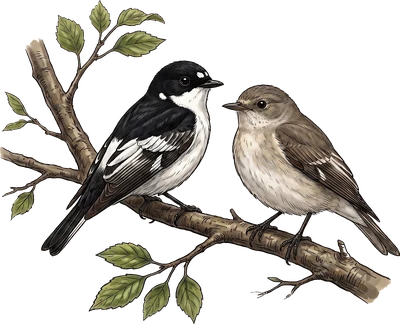
See Spotted Flycatcher in the app.
Full encyclopedia, offline diary, AI identification - always with you.
Download on Google Play
Full encyclopedia, offline diary, AI identification - always with you.